How to actually help a new family
Grandparents, siblings, friends and neighbors want to help. Here is what helps, what quietly makes things harder, and how to offer.
One link. Dinners, night shifts, errands and visits that your people sign up for with just their name. No app, no account for them.
Free for every family. Takes two minutes. Private until you share it.
An example. Tap "I'll take this" to see what your people would see.

Real members, real questions. Peer support is not medical advice, and it still helps.
Coffee meetups, stroller walks, virtual support groups and nights for dads and partners. Plans that understand naps happen.
Postpartum+ grew out of a family learning the care system in real time, at the moment they had the least capacity to. We are building the calm, honest guide we wish had existed, for moms, dads and partners, solo parents and everyone who loves them.
Ask the 3 a.m. question. Share the win. Find people in the same stage. Peer support is not medical advice, and it still makes a difference.
Search real provider directories for therapists, psychiatry, treatment programs, lactation support, pelvic floor therapy, doulas and childcare. We explain the options; you and your providers decide.
Levels of care describe how much structure and support a program provides. They are not a grade of how "bad" things are, and people do not always move through them in order. A clinical team recommends the right level; this page helps you understand the words.
Keep the details that change family life in one private place: level of care, schedule, insurance, family involvement and childcare.
The Family Assistance Fund is being built to help families overcome practical barriers to care: treatment costs, childcare, transportation and other verified needs, through a transparent application and review process.
Short, honest guides for every part of postpartum, plus the organizations we trust. Written by the Postpartum+ team, checked against public guidance from organizations such as ACOG, AAP, NIMH and PSI, and never a substitute for your own care team.
Your body is healing, your sleep is gone and your mood has a mind of its own. Here is what's common, what helps, and when to call someone, in plain words. Other moms who get it, and a plan so the people around you actually help.

You can care deeply about your partner and still feel lost, scared or exhausted. These guides are practical, specific and written for you. Nothing here requires you to become the clinician.

Grandparents, siblings, friends, neighbors and chosen family make an enormous difference after a birth, when the help is the right kind. These guides are short, specific and honest about what makes things harder.
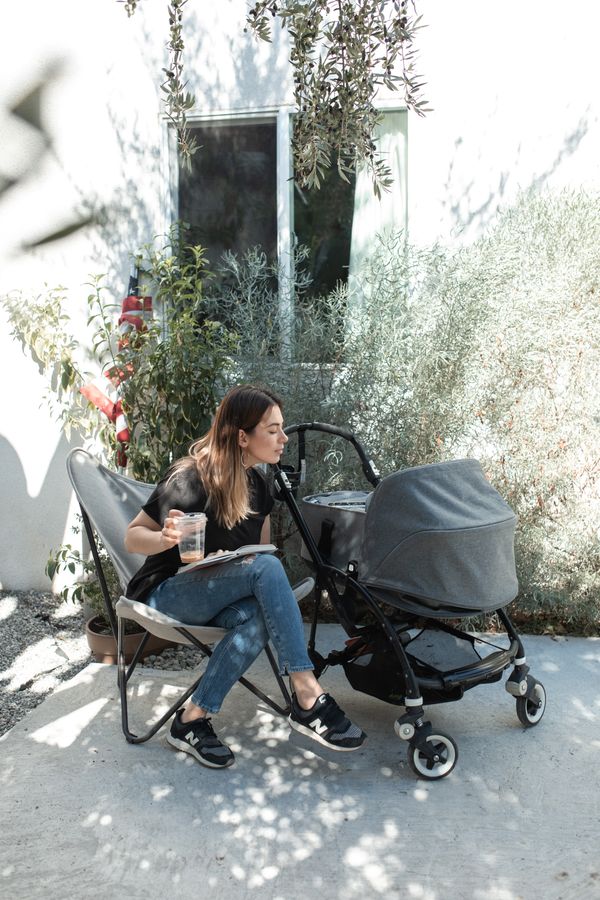
Bring food, do the dishes or the laundry so she can be with the baby, and hold the baby when she asks. Specific offers with a day and a time are easy to say yes to.
"How are you feeling today?" beats "is she a good baby?" Ask about the parent, not only the baby, and skip the advice.
Family is often the first to see that something is off. Learn the signs, and how to bring it up without shame.
8 guides for the people around a new parent. Each takes about five minutes.
Grandparents, siblings, friends and neighbors want to help. Here is what helps, what quietly makes things harder, and how to offer.
The best postpartum gifts are time, food, sleep and help with the house. Ideas for every budget, what to skip, and how to give help instead of stuff.
Short, warm messages for a new-baby card, from grandparents, friends and coworkers, including what to write after a hard birth or a NICU stay, and what to leave out.
A step-by-step way to organize meals for a new family: how long to run it, what to bring, drop-off rules, and the other help worth asking for besides dinner.
Words land hard on no sleep. Small scripts that make new parents feel seen instead of judged.
Timing, health, gifts, photos and the rules of the house. A short etiquette guide for grandparents, friends and relatives.
How grandparents can help after a baby arrives: what's changed since you raised your own, what parents need most in the first month, and how to help without taking over.
What family and friends can notice, how to bring it up without shaming, and what to do if it cannot wait.
Ten minutes with the parents, before the baby comes or in the first week: who does nights, who cooks, who says no to visitors, the warning signs you will all watch for, and the numbers to have ready.
You know a lot. What helps most now is steady help that follows the parents' lead, and knowing what has changed about safe sleep and feeding.
Keep showing up after the first two weeks, when everyone else has gone home. That is when it gets lonely.
Dads and partners carry the logistics and rarely get asked how they are. Send them to the dads & partners guides, and check in on them too.
If a clinician mentions therapy, IOP or PHP, the levels-of-care explainer tells you what it means for the family's schedule and how you can help with logistics.
The community is open to family members too. Read how other families handled it, or ask your own question anonymously.
Friends and chosen family count. Anyone who shows up for you belongs on this list.
Offer to set one up with them: dinners, night shifts, rides and visits, listed on one page. Friends claim a slot with just a first name.
Ten minutes, together: nights, food, visitors, the warning signs you'll all watch for, and the numbers to have ready. It saves as you type. Print it, or share it by link.
One place for the help around you: the dinners, nights and errands people sign up for with just a name, who's bringing what and when, and the plan at home for nights, visitors and the numbers to have ready.
Eight honest questions about the weeks after the baby, sixty seconds, a score out of eight, and the gaps to close this week. Take it before the birth if you can.
There is no paid membership. Every tool that keeps a family organized comes with a free account, for you and everyone helping you.
Postpartum+ was created from a simple belief: no parent should have to navigate the postpartum period feeling alone, overwhelmed, or unsure of where to turn.
Postpartum+ touches mental health and family life. These are the commitments we build against.
Who writes the Postpartum+ guides, what they are checked against, how AI is used, and how to tell us when something is wrong.
Treatment programs, therapists, doulas and local family businesses can ask about clearly labeled listings, events and sponsorships. Payment never changes organic search results.
No account needed. We hide it as soon as your request arrives, and complete valid requests within 48 hours.
How to tell us something on Postpartum+ infringes your copyright, and how to respond if your post was removed.
Zero tolerance for anything that sexualizes, exploits or endangers a child. If a child is in immediate danger, call 911.
Plain-language terms for using Postpartum+. Please read them; they explain what Postpartum+ is and is not.
What Postpartum+ collects, who can see it, and the choices you have. Written to be read, not skimmed.
The health information Postpartum+ collects, why, who it is shared with, and how to see it, delete it or withdraw your consent.
How we keep the Postpartum+ community kind, honest and safe for people at a vulnerable time.
Questions, account or data requests, concerns about content, press or partnerships. A person reads every message.
Tell us what you wish Postpartum+ had, what's missing, or what didn't work. A person reads every note, and it decides what we build next.
Parents, dads and partners, grandparents, doulas and clinicians can ask to write for Postpartum+. We edit every piece with its author and check anything medical against public guidance before it goes up.
The link may be old, or the page may have moved. Everything on Postpartum+ is a tap away from home.
Open the link to finish creating your account.
Check your spam folder if it hasn't arrived after a minute.
Please read them and tell us you agree to keep using your account. We also now ask, separately, before keeping any health information you share.
In crisis? Call or text 988, any hour. In immediate danger, call 911.
You can still post this. And if any part of it is about not wanting to be here, or about the baby's safety, please talk to a person right now, not a forum. It is free, it is 24 hours, and it is not an overreaction.
In immediate danger, call 911. Nothing you type here is scanned by anyone: this check happens on your own device.
Reports are private and a person reviews every one. The person you report is never told who reported them. Disagreeing with someone isn't a reason to report.
Public venues or virtual only. The Postpartum+ team checks each proposal before it is published, but we don't vet hosts, venues or who comes. You run the meetup, and everyone who comes, you included, takes part at their own risk. Peer meetups are not clinical services.
It opens full screen like an app. Nothing to download from an app store, and you can remove it like any other icon.
This is not an emergency service. If someone is in immediate danger, call 911. For crisis support, call or text 988. Applications are private and reviewed by a person using published criteria.