How to actually help a new family
Grandparents, siblings, friends and neighbors want to help. Here is what helps, what quietly makes things harder, and how to offer.
The most useful people in the first weeks are not the ones who visit the most. They are the ones who take something off the parents' plate without needing to be managed. New parents are exhausted, healing and often overwhelmed by advice. The best help is quiet, specific and easy to say yes to.
Do this without being asked
- Bring food that can be eaten one-handed and reheated: soups, pasta bakes, cut fruit, snacks with protein. Use containers you do not need back.
- Take the laundry, the dishes or the trash while you are there. Twenty minutes of housework is worth more than two hours of holding the baby.
- Walk the dog, mow the lawn, pick up groceries, drop off the older sibling at school.
- Many parents would rather keep the baby close and hand you the chores. If they ask, hold the baby so they can shower, eat with both hands or sleep for ninety minutes. Then hand the baby back.
- Handle a phone call or an errand: the pharmacy, the insurance line, returning the bassinet that arrived broken.
Offer specific, bounded help
"Let me know if you need anything" puts the work back on the parents. Try: "I'm dropping dinner on Tuesday at six, no need to answer the door," or "I can take the baby for a walk Saturday morning from nine to eleven." A yes or no is easy. A plan is not.
Things that quietly make it harder
- Long visits, or visits that turn into hosting. Aim for the length of a coffee unless you are there to work.
- Advice that starts with "in my day" or "you should really." Guidance has changed on safe sleep, feeding and a lot else. Ask how they are doing things and follow that.
- Commenting on her body, the baby's weight, feeding choices or how much the baby cries.
- Posting photos of the baby without asking.
- Arriving sick, or unvaccinated when the parents have asked. If in doubt, stay home and send food.
Support the dad or partner too
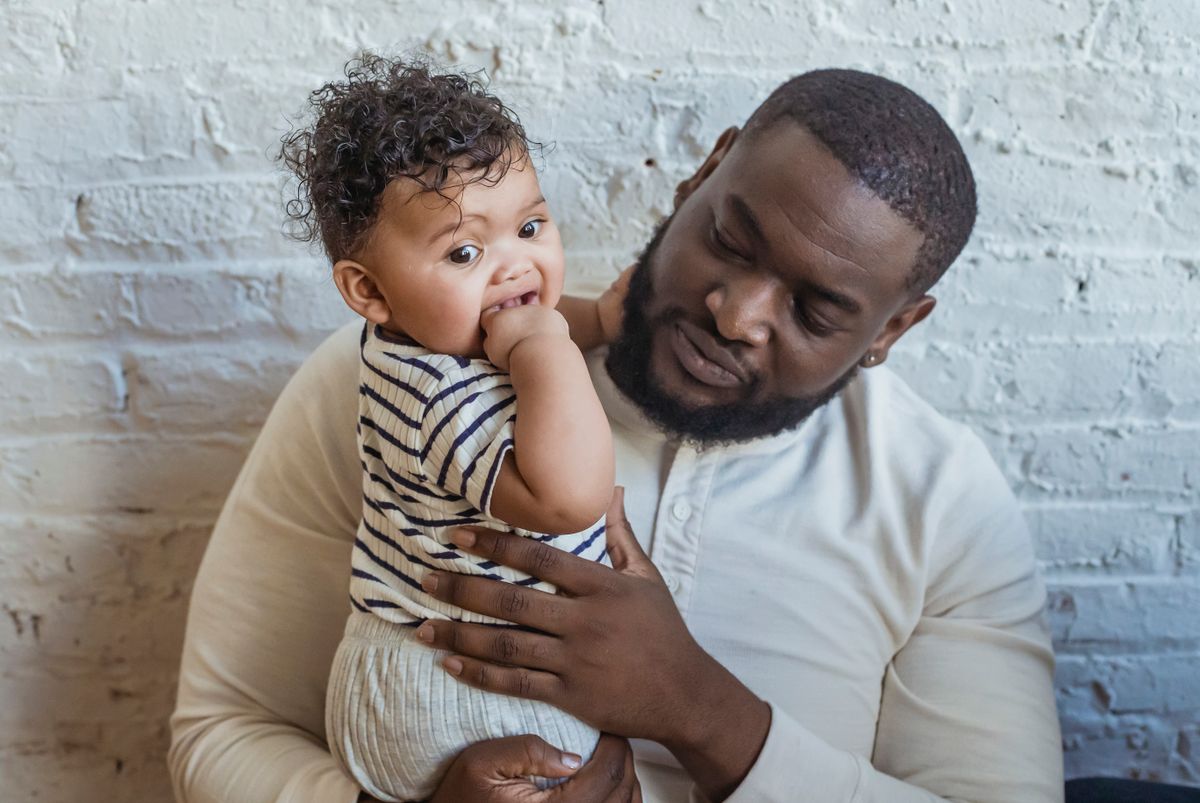
Dads and partners are often carrying the logistics while being told to be the rock. Ask them how they are doing, and offer them the same practical help: a meal, a nap, a walk, a text that does not need a reply.
Drawn from public guidance including Safe to Sleep (NIH), CDC: Vaccines for family and caregivers, Postpartum Support International: 10 ways to support a loved one, 988 Suicide & Crisis Lifeline. Educational only; not medical advice.
Find care near you
Search real directories for perinatal therapists, psychiatry, lactation, pelvic floor and more.
Talk to people who get it
The community is organized by topic and always allows anonymous posting.
Make it a plan
Turn good intentions into who-does-what with Plan at home.
Keep reading
Gifts for new parents that actually help
The best postpartum gifts are time, food, sleep and help with the house. Ideas for every budget, what to skip, and how to give help instead of stuff.
Read the guideWhat to say, and what not to say, to a new parent
Words land hard on no sleep. Small scripts that make new parents feel seen instead of judged.
Read the guideVisiting a newborn without adding to the load
Timing, health, gifts, photos and the rules of the house. A short etiquette guide for grandparents, friends and relatives.
Read the guideLived this, or work with families who have? Write a guide with us.